

Visualising Transgression
BCMCR Transgressive Identities and Subjectivities Research Theme Event
The third and final event in this current event series for the BCMCR Transgressive Identities and Subjectivities theme was titled “Visualising Transgression”. Held on 17th of June 2026, the seminar focused on the power of the image and transgression. We were delighted to be joined by three speakers.
Our first speaker was Rachel McHaffie. Rachel gave a fascinating insight into her work photographing and documenting club culture in the UK and abroad. She spoke about photographing spaces that transgressed norms and pushed boundaries like the famous Hacienda in Manchester. What was really striking, when she was talking through this archival process of the nightclub, was the power of the image to remember this club culture and what we ‘don’t remember’ due to the hedonistic nature of these spaces. She spoke further about how club culture went beyond the boundaries of the club and into magazines and wider culture but how that then materialised into something more commercialised. She considered how this transgression became much more mainstream and spoke about dancefloors in Ibiza becoming smaller and smaller to make way for VIP tables. Her presentation explored the reasons for club culture in identity formation and the intersectionality of club culture and the unity found on dance floors and in nightclubs. She discussed the decline in clubbing in Gen Z and the difference between club culture back in the 1990s and 2000s to today. It was a captivating insight into the importance of club culture and its documentation.
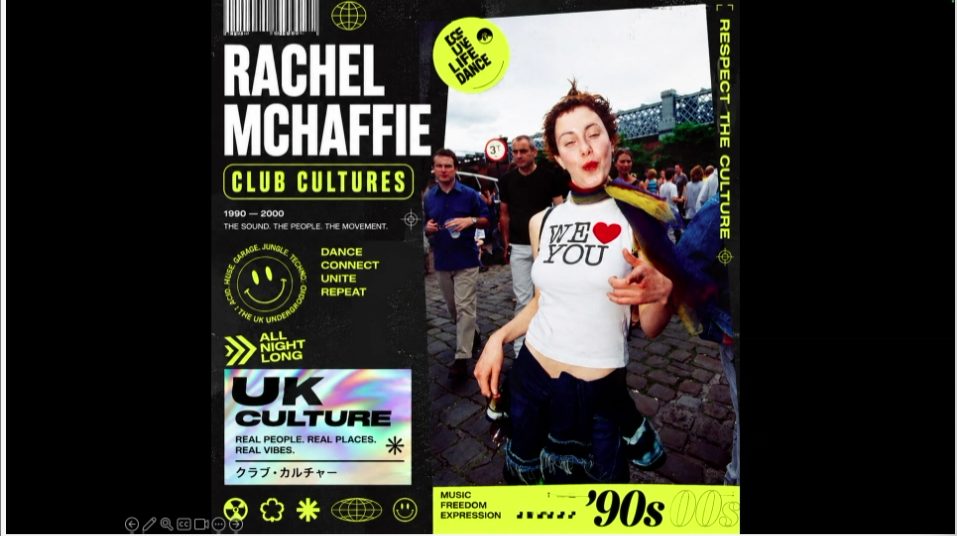
You can find more details about Rachel’s research here
Our second speaker was Nick Priest. Nick shared their various projects with fascinating insight into their work and process. Nick’s first project that he spoke about was documenting local and hidden spaces in football and community and their journey into photography. He went on to talk about a project centred on the A46, a road he had a personal connection to through his dad. He talked about the process of creating these images through walking the road and documenting what was on the road. This really spoke to the importance between relationships and place as well as this ritualistic and almost meditative practice of walking and grief. He shared further material that he had been archiving of objects and memories. The second project he spoke about was focused on wrestling and wrestling personas, again with a focus on identity. He spoke about capturing these images and how these personas allowed people to express certain aspects of their identity for example their queerness or sexuality. They likened these images of the wrestling scenes to renaissance paintings and drew comparisons in these images transgressing what we think of as art. The last project Nick discussed was a collaborative project between Bidford-Upon-Avon and Ebsdorfergrund, twinned towns in England and Germany. Nick spoke about pairing images from these towns, once again drawing on the importance of identity and place. He spoke about the workshops he ran and the pen pal exchange that was set up creating further connection between the two places.
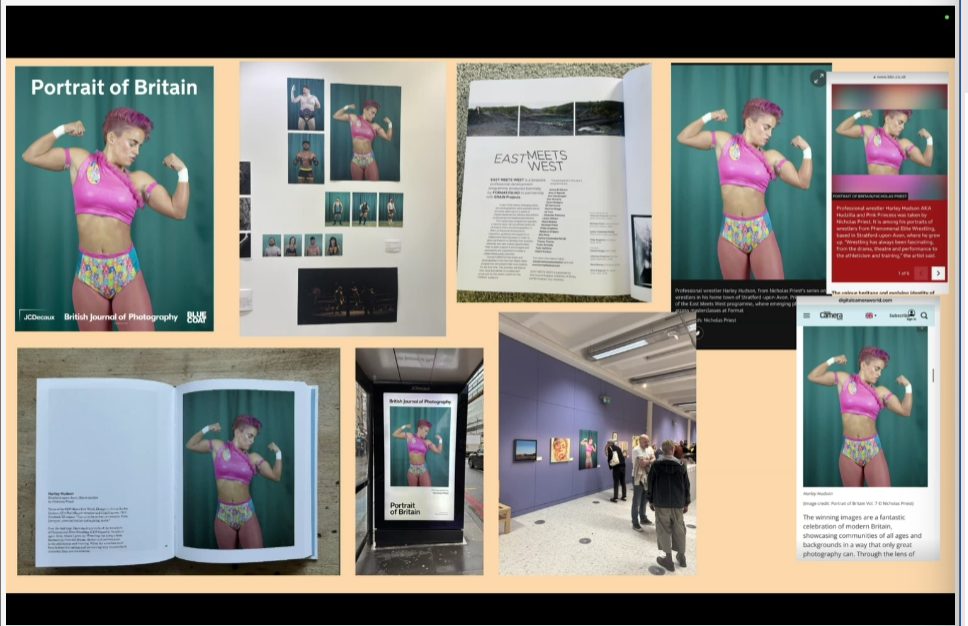
You can find more details about Nick’s research here
Our third speaker was Professor Xavier Mendik. We were extremely privileged that for his contribution to the event Xavier presented two extracts from his new documentary Scum of the Earth: Creating America’s Rural Communities of Horror (2026) which is due to receive its full official UK premiere at this year’s MeCCSA conference in September. Xavier discussed the project which focuses on America’s fascination and fear of the rural poor and underexplored representation in cult and horror film traditions. The project further explores the significance of the eugenics movement in the representation of rural communities. The extracts discussed key texts such as The Texas Chain Saw Massacre and The Hills Have Eyes which explores this cinematic subgenre of backwards horror. The documentary considers transgression through the trope of subverting “civilized” behaviour and norms and the fear that is created through this with a focus on the rural and the marginalized.
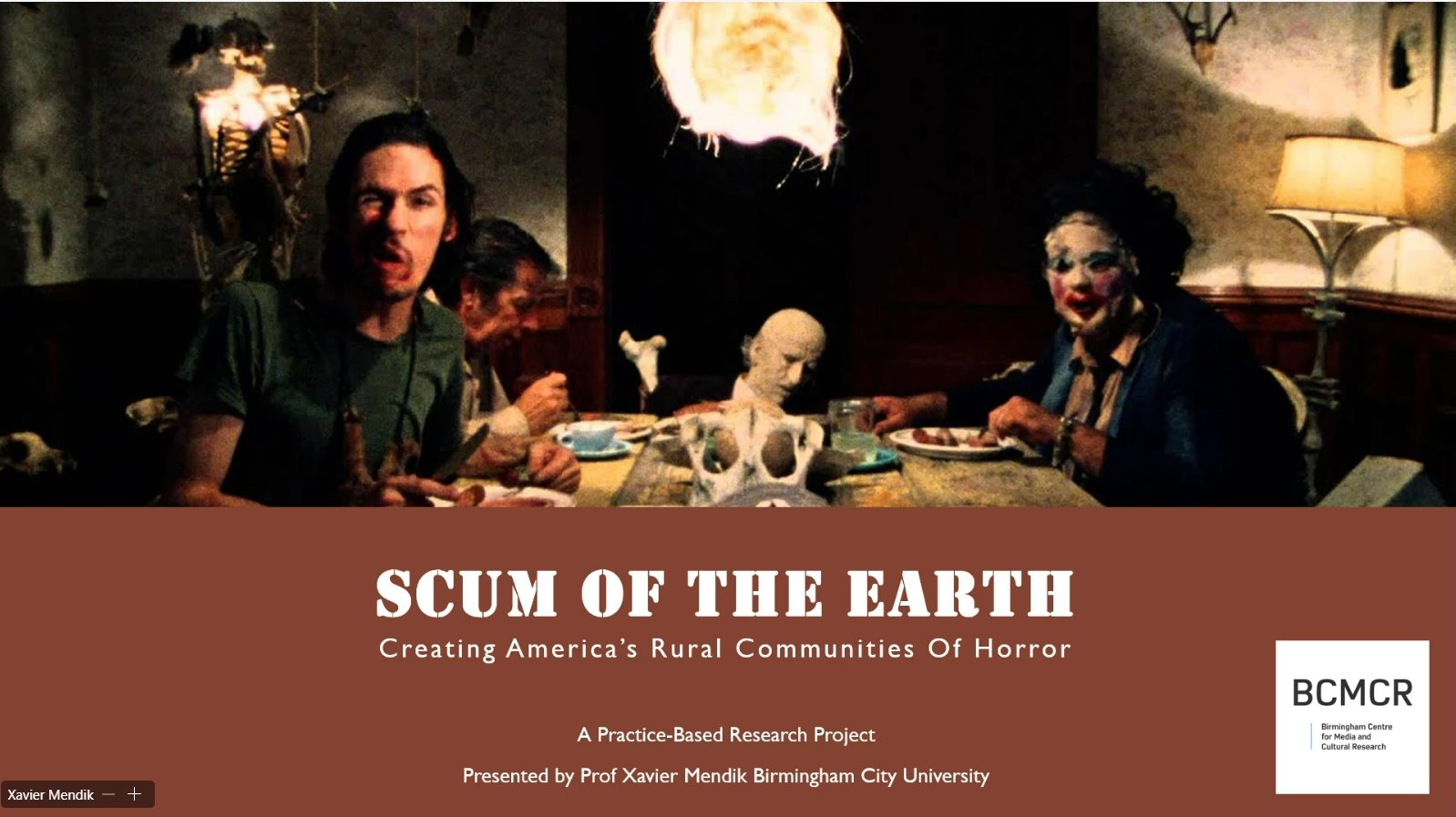
You can find more details about Professor Xavier’s research here
On behalf of Poppy, Matt and myself I would like to thank all the speakers that contributed to this event series and all those who attended the events and made it such a success.