

Reflexivity and Transgressive Identities Event For BCMCR Transgressive Identities and Subjectivities Research Theme
After the success of previous events for the BCMCR Transgressive Identities and Subjectivities theme, this was revived through a new event ‘Reflexivity and Transgressive Identities’. Held on the 22nd of April 2026, the seminar explored ideas around research, reflexivity and identity. We were delighted to be joined by three fantastic speakers.
Our first speaker was Rebecca Humphreys-Lamford (they/them), a PhD researcher at the University of Birmingham. Their AHRC funded research looks at how asexuality has been represented on British television. They began their talk defining asexuality and discussing the limitations of defining and encompassing identity. Their presentation considered the lack of representation of asexuality on screen within British television and the limits within the representation that does exist. What was most poignant about their talk was how they reflected on the limits of transgression that is placed on asexual representations within British television. They spoke eloquently about how the representations that exist are mostly white, cisgender and non-disabled and that, according to these representations you can be asexual but not Black, disabled, of Global Majority or a member of another marginalised group. They therefore argued these representations create homogeneous identity rather than a diverse representation. Their talk spoke about the importance of representation in identity formation and how asexuality is often divorced from a wider sense of queerness – another limit or separation from wider intersectionality.
You can find more details about Rebecca’s current research here
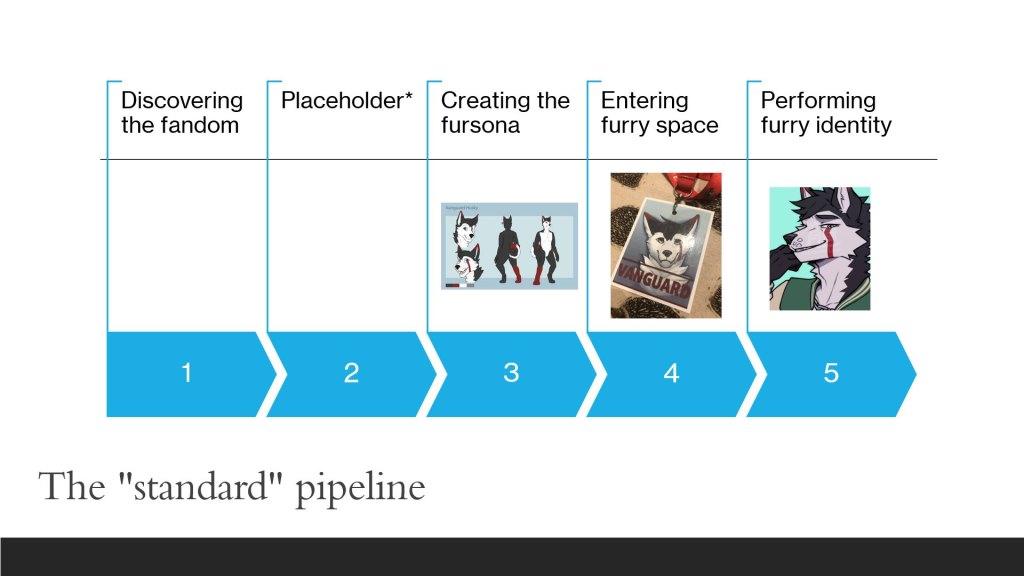
Our second speaker was Reuben Mount, a furry academic and final year post-graduate researcher studying the furry fandom as a safe space to explore identity. Having previously presented at the Transgressive Identities and Subjectivities BCMCR Conference, they took a different, and equally fascinating, approach to the topics of transgression and reflexivity. Linking back to Rebecca’s presentation Reuben discussed the ‘fursona’ and the difficulties defining and codifying identity. They went on to further elaborate on identity formation and the creation of the fursona. They considered the process of entering fandom spaces and how ‘VRChat’ has altered, or transgressed, the “standard” pipeline of fursona creation. They carefully considered the implications on how community is accessed, the barriers it removes and how this plays out in space. It was a fascinating presentation that asked questions about identity and belonging. Crucially Reuben finished the talk with more possibilities on how we can understand the fursona identity, rather than putting more limits on the transgression it offers.
You can find more details about Reuben’s current research here
Our final speaker was Ondřej Daniel, PhD who is working as a historian in the Seminar on General and Comparative History within the Department of World History at Charles University’s Faculty of Arts. He is also the co-lead on the Punk Scholars Network Slovak and Czech regional group. Ondřej joined us online from Czechia. Ondřej gave a fascinating talk on the transgression within Czechian media, culture and society in the 1990s. He discussed how more western ideas and approaches began to creep into Czechian culture from 1989 and following the collapse of the Soviet Union, and their subsequent withdrawal from Czechoslovakia. Simple transgressive acts, based around consumerism, were seen as new ways of identity formation in the newly liberated country, that had its food and goods controlled by the state. He spoke about joy in identity formation and how joy as a transgressive act allowed for the reclamation of identity and space. However, he went on to discuss how transgressive acts are not static but how through innovation, commercialisation and regulation transgression can be both something transformational but also subject to governance and authority. His presentation was a rich cultural insight offering important perspectives to the discussion.

You can find more details about Ondřej’s current research here
Unfortunately, Ondřej was unable to join us for the Q and A panel, but our first two speakers considered among others the question of how ‘researching communities you identify with or are a part of can affect the research process’. They discussed how it can be difficult to take a step back from research that is so deeply personal but how this unique perspective offers insight and authenticity to the research especially when interacting with participants.
Our next event for the Transgressive Identities and Subjectivities research theme, “Emerging Transgression” will take place on 20th of May with more details to be announced.