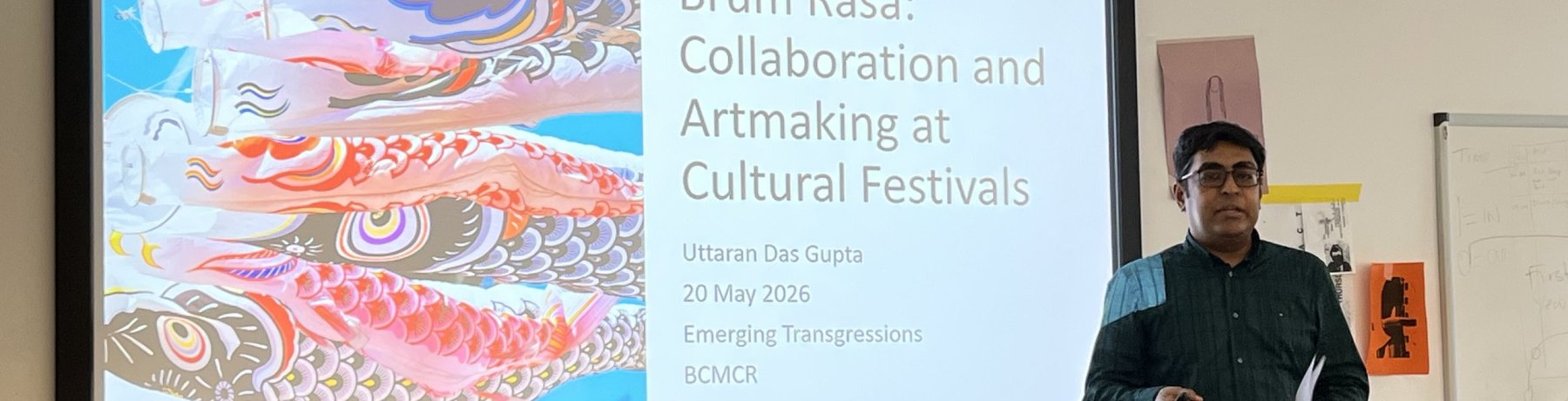

Emerging Trangression
BCMCR Transgressive Identities and Subjectivities Research Theme Event
The second event in this current event series for the BCMCR Transgressive Identities and Subjectivities theme was titled “Emerging Transgression”. Held on 20th of May 2026, the seminar encouraged postgraduate students and early career researchers to share their research. We were delighted to be joined by four speakers.
Our first speaker was Nona Wyld (they/ them) who is a PhD student at Birmingham City University. Their thesis is documenting the rise of transphobia in the UK within the last 10 years and specifically focuses on transmisogyny and how this plays out within queer and LGBTQ+ spaces in the UK. The focus of their talk was “How is transgression researched? The ethics of recruitment, care and community”. They spoke about the intricacies of conducting research into marginalisation as a marginalised person. Specifically, they spoke about their recruitment process and the unsafe nature of the online world due to the rise of transphobia. Their talk picked out the parallels between the homophobia and moral panic of the 1980s and 1990s and the rising transphobia and moral panic seen within the UK within the last 5-10 years. They drew inspiration from the zine culture and community building of the 80s and 90s and spoke about how they are employing this in their thesis relying on community spaces and word of mouth to recruit their participants as a protective measure of safety and care.
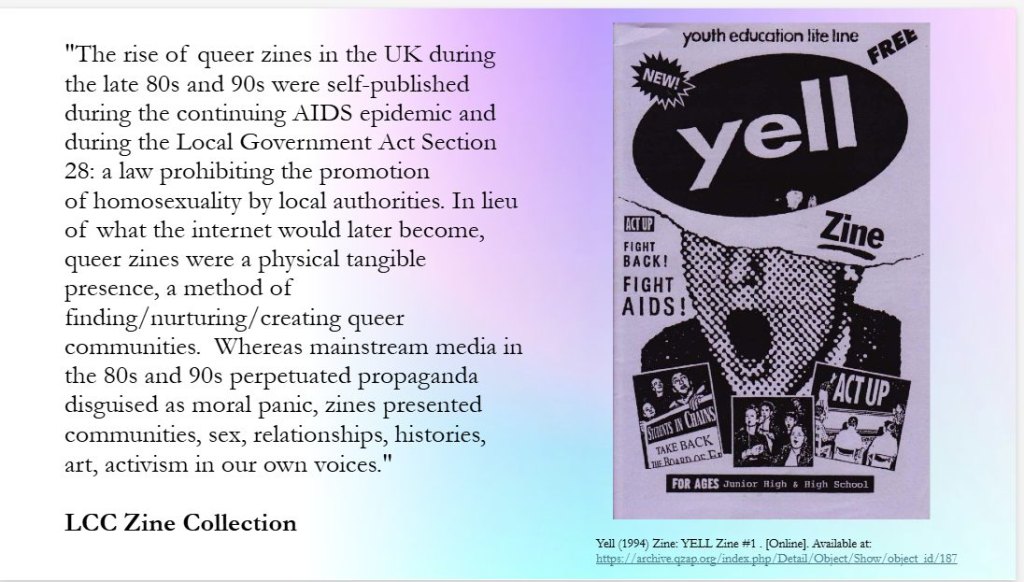
You can find more details about Nona’s research here
Our second speaker was Sana Ali, a lecturer in Media Studies at the British Creative Institute, Birmingham whose work spans media, journalism, and cultural studies, with a focus on how media narratives shape understandings of gender, childhood, and marginalised communities. Sana’s talk focused on journalism, patriarchy and the cultural limits of reporting child abuse in Pakistan. Their talk was emotive and urgent in its themes. She spoke about the hierarchies of visibility in news media reporting and the limits of reporting on these different forms of violence. She explored how journalism is negotiating transgression to report on these events, which is partial, negotiated and constrained due to family honour, stigma, male authority, domestic privacy and fear of social consequences. She ended her talk highlighting the honour killing of Gulan Bharo but offered hope discussing the male journalists in Pakistan who are transgressing these constraints to report on and bring visibility to these forms of violence.

You can find more details about Sana’s research here
Our third speaker was Uttaran Das Gupta an Indian writer and journalist, currently doing a PhD in Media and Cultural Studies at Birmingham City University. His research focusses on Indian art and culture festivals, in the country and beyond. His thesis titled “Spectacles in the Polycrisis: The Making of Art, Culture and Place at the Serendipity Arts Festival in Panjim and Birmingham (2024-26)” asks the question, what is the value of organising a spectacular art festival in the polycrisis? He explored the importance of art-based research methods in capturing the outcomes of the festival and presented his creative method “Brum-Rasa”. Through performing his original and captivating poetry he explored ‘rasaesthetics’ and the nine rasas asking us which of them were evoked when we listened to the poetry. He elaborated on how he will be using these rasas to capture the outcomes and impact of the festival adding further dimension to traditional ways of collecting this data.
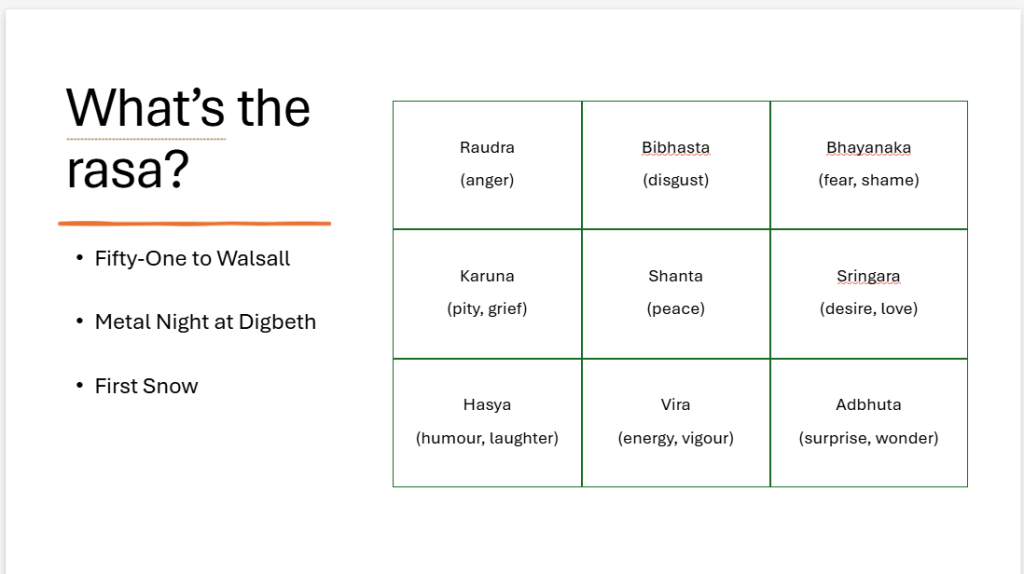
You can find more details about Uttaran’s research here
Our final speaker was Andrew Bell, an M4C PhD researcher, conducting their doctoral study within the College of English & Media. Their project explores queer modes of game design, with a particular focus on the avatar and the opportunities presented by crossing, or eroding, the monster-non-monster divide. Their presentation, an interactive single-player journal-writing game which they designed as part of their research, invited us to take on the role of a character trapped in a strange house, attempting to escape before being eaten by the monster…. However, the game then gave the player the opportunity to transgress roles switching from would-be-survivor to monster. The creativity of the game allowed us as players to create and tailor the horrifying experiences as we desired writing about our encounters with the monster or how we envisioned the monster to look, smell, sound and feel… This was an excellent exploration of game design and game playing queering the possibilities and the game making process.
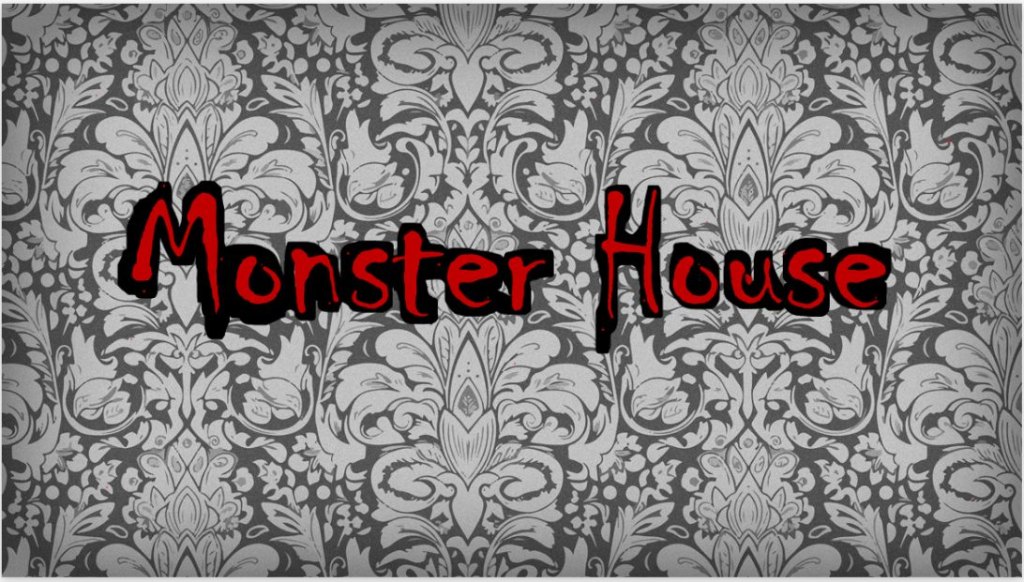
You can find more about Andrew’s research here
Our next event for the Transgressive Identities and Subjectivities research theme, “Visualising Transgression” will take place on the 17th of June with more details to be announced.